Finding a therapist can feel daunting, especially when you’re already carrying a lot. Whether you’re looking for support for yourself or for your child, I aim to make the process feel as simple and comfortable as possible.
You may have had therapy before, or this may be your first time reaching out. Either way, you are welcome here.
I offer warm, compassionate counselling for adults, teenagers and pre-teens, with particular experience supporting neurodivergent people, trauma-experienced clients, and families navigating difficult times.

If you’re exploring therapy for yourself or your child, you’ll probably want to know who I am, how I work, and whether I might be the right person to support you.
I hope this website helps you get a feel for my approach. You can find information about my background, experience and therapeutic approach on my About Me page, details about sessions and practical information in my FAQs, or get in touch if you have any questions.
I’m an integrative counsellor and registered member of the British Association for Counselling & Psychotherapy (BACP), offering therapy tailored to each individual rather than a one-size-fits-all approach.
I work with adults, teenagers and pre-teens, and I also provide clinical supervision on an ad-hoc basis for counsellors supporting neurodivergent clients.
Alongside my counselling work, my professional background includes supporting families of children with special educational needs and disabilities, in-school learning support, children’s wellbeing work, and supporting looked-after children.
Inclusion and reducing barriers to support are important values in my work. I’m passionate about creating spaces where people feel understood, accepted and able to explore their experiences without judgement.
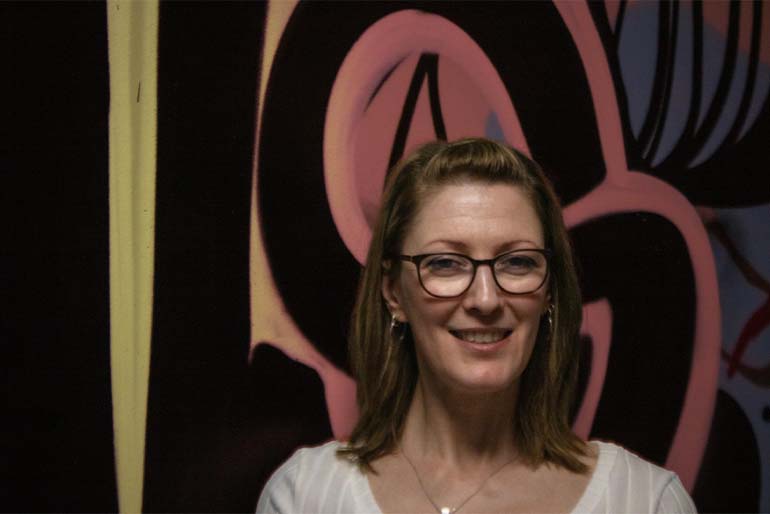

As a neurodivergent person within a neurodiverse household, I have personal insight into the experience of trying to navigate a world that does not always feel designed with different ways of thinking, communicating and processing in mind.
My own journey of understanding my neurodivergence has shaped my belief that people should not have to hide, mask or change who they are in order to belong.
I understand that many neurodivergent people and trauma-experienced individuals have spent years feeling misunderstood, overwhelmed or as though they are “too much” or “not enough”. Therapy can be a space to explore your experiences, recognise your strengths, and find ways of moving forward that work for you.
I use a combination of talking therapy, sensory and body-based approaches, and creative techniques, adapting sessions around each person’s needs and preferences.
For children and young people, I often incorporate play, creativity and games to help build trust and make therapy feel less intimidating.
Creating a sense of safety is central to my work. My experience supporting survivors of abuse and sexual trauma has shaped my trauma-informed approach, including the use of grounding and self-regulation strategies where appropriate.
I work collaboratively with clients, supporting them to identify their own goals and explore what meaningful change looks like for them.
Neurodivergence (including ADHD, Autism and PDA)
The impact of neurodivergence within an ableist society
Anxiety and depression
Low self-esteem
Panic attacks
Trauma, including childhood trauma, abuse and complex relational trauma
Attachment difficulties
Bereavement and loss
The emotional impact of parenting children with additional needs
Children and young people’s emotional wellbeing
Young widowhood and solo parenting
Alongside therapy, I support parents and carers who are looking for practical strategies, resources and guidance while navigating challenges such as grief, trauma, emotional wellbeing, behaviour, or neurodivergence.
With my background in child development and wellbeing, I can also support families in building confidence and learning tools to help manage everyday emotional challenges.
I am also licensed to deliver the Heart-to-Heart programme, which supports parents and carers to strengthen relationships with their children and navigate the challenges of the pre-teen and teenage years.